Saturday, 20 August 2022

Indian Architecture: A Blend of Tradition, Innovation, and Diversity

Indian architecture is a reflection of the country’s rich cultural heritage, diverse traditions, and complex history. From the grand temples of the south to the intricate palaces of Rajasthan, the architecture of India tells the story of its people, religions, and empires. It is a tapestry of various styles, materials, and philosophies, each contributing to the unique aesthetic and spiritual essence of the nation.


Ancient Beginnings: The Indus Valley Civilization

The roots of Indian architecture can be traced back to the Indus Valley Civilization, which flourished around 2500 BCE. The cities of Mohenjo-Daro and Harappa showcase some of the earliest examples of urban planning, with their grid layouts, advanced drainage systems, and standardized brick sizes. The Great Bath of Mohenjo-Daro, a large public water tank, is an example of the civilization's sophisticated approach to architecture and civic planning.

This period laid the foundation for many architectural principles that would evolve and influence later styles across the subcontinent.

Temple Architecture: A Spiritual Journey

The evolution of temple architecture in India is one of the most remarkable aspects of its cultural heritage. Indian temples are not merely places of worship; they are embodiments of sacred geometry, cosmic symbolism, and artistic expression.

Dravidian Style: Predominant in South India, the Dravidian style of temple architecture is characterized by towering gopurams (gateway towers), elaborate carvings, and large, sprawling complexes. The Brihadeshwara Temple in Thanjavur, built by the Chola dynasty, is a prime example. Its massive vimana (temple tower) and intricate sculptures are a testament to the engineering prowess and artistic sensibilities of the Cholas.

Nagara Style: In contrast, the Nagara style, common in North India, features curvilinear shikharas (spires) and a more compact layout. The temples of Khajuraho, built by the Chandela dynasty, are renowned for their exquisite erotic sculptures and detailed carvings that depict various aspects of life, spirituality, and mythology.

Vesara Style: A blend of Dravidian and Nagara styles, Vesara architecture is seen in the temples of the Deccan region. The Hoysaleswara Temple in Halebidu, Karnataka, exemplifies this style with its intricately carved friezes and statues.

Islamic Influence: The Fusion of Styles

The arrival of Islam in India brought new architectural forms and styles that blended with the existing traditions, leading to a unique Indo-Islamic architectural synthesis.

Delhi Sultanate: The Qutub Minar, built during the Delhi Sultanate, is one of the earliest examples of Islamic architecture in India. This towering minaret, made of red sandstone and marble, is adorned with intricate calligraphy and geometric patterns, showcasing the fusion of Islamic and local artistic traditions.

Mughal Architecture: The Mughal era (16th-18th centuries) was a golden age of architecture in India, marked by the construction of iconic monuments that have come to define Indian architecture on the global stage. The Taj Mahal in Agra, a UNESCO World Heritage site, is the pinnacle of Mughal architecture, combining Persian, Islamic, and Indian elements in a harmonious and visually stunning masterpiece. The use of white marble, inlay work with precious stones, and symmetrical design reflect the Mughal’s aesthetic ideals of beauty and balance.

The Red Fort in Delhi, Fatehpur Sikri, and the Jama Masjid are other significant examples of Mughal architecture, each illustrating the grandeur and sophistication of the empire.

Colonial Influence: A New Architectural Vocabulary

The advent of European colonial powers in India introduced new architectural styles and technologies that left a lasting impact on the urban landscape.

British Colonial Architecture: The British Raj brought with it the neoclassical, gothic, and Indo-Saracenic styles, which were often used in the construction of public buildings, churches, and railway stations. The Victoria Memorial in Kolkata, with its blend of European and Mughal elements, and the Chhatrapati Shivaji Maharaj Terminus (formerly Victoria Terminus) in Mumbai, a UNESCO World Heritage site, exemplify the grandeur and eclecticism of colonial architecture in India.

Portuguese and French Influence: In Goa, the Portuguese influence is evident in the baroque-style churches and convents, such as the Basilica of Bom Jesus, which houses the relics of St. Francis Xavier. In contrast, the French colonial town of Pondicherry (now Puducherry) is known for its charming blend of Tamil and French architectural styles, with tree-lined streets, colonial villas, and colorful houses.

Modern and Contemporary Architecture: Bridging the Past and the Future


India’s architectural narrative didn’t end with the colonial era. The country’s post-independence period has seen a resurgence of interest in modern and contemporary architecture, often blending traditional elements with modern design principles.

Le Corbusier and Chandigarh: One of the most significant modern architectural projects in India was the planning of the city of Chandigarh by the Swiss-French architect Le Corbusier. Chandigarh’s Capitol Complex, with its monumental buildings and open spaces, represents the ideals of modernism and the vision of a new, progressive India.

Contemporary Innovations: In recent decades, Indian architects have continued to innovate, creating structures that reflect the country’s aspirations while respecting its heritage. The Lotus Temple in Delhi, designed by Fariborz Sahba, is a striking example of contemporary architecture that draws inspiration from the lotus flower, a symbol of purity in Indian culture.

The Infosys campuses, designed by Hafeez Contractor, and the IIM Bangalore campus, designed by B.V. Doshi, are examples of how modern Indian architecture balances functionality with aesthetics, often incorporating sustainable practices and local materials.

The Living Legacy of Indian Architecture

Indian architecture is a living legacy that continues to evolve, reflecting the country’s dynamic cultural landscape. It is a testament to India’s ability to absorb and adapt influences from different eras and cultures while maintaining its unique identity. From the ancient temples of the south to the sleek skyscrapers of Mumbai, Indian architecture is a celebration of diversity, creativity, and the enduring spirit of innovation. As India moves forward, its architectural heritage will continue to inspire and shape the spaces in which its people live, work, and worship, serving as a bridge between the past and the future.

Sunday, 26 December 2021

UP chunav: इस बार फिर होगा यूपी में भगवा सलाम?

UP chunav
Credits - DNA India


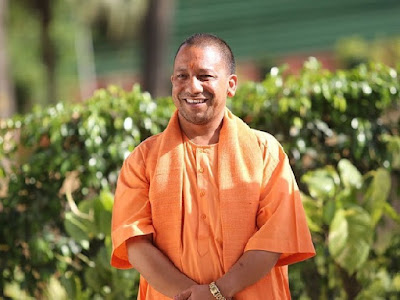
उत्तर प्रदेश में चुनाव होने को हैं। चुनावी माहौल से यूपी सज चुका है। यूपी चुनाव के लिए पीएम मोदी ताबड़तोड़ रैलियां कर रहे हैं। इसके साथ ही एक जो चीज़ रह गयी है वह है नेताओं का पार्टी से आना-जाना। यूपी के मुख्यमंत्री और भाजपा के फायर ब्रांड लीडर योगी आदित्यनाथ भी कोई कसर नहीं छोड़े हैं इस बार भी फैसला अपनी और घुमाने को। चुनाव सिर पर आते ही कई नौकरी भर्तियां निकल गयी हैं। इसके अलावा योगी एक लाख छात्रों को स्मार्टफोन और टेबलेट भी देने की घोषणा कर चुके हैं, जो शायद मिल भी जाए। वहीँ विपक्षी पार्टियां भी अपने-अपने तरीके आजमा रहीं हैं।


कुछ दिनों पहले वापस लिए गए कृषि कानून को लेकर भाजपा में ही एक तबका मानता है कि यह नहीं किया जाना था। इसके पीछे वजह यह है कि चुनाव नज़दीक आते ही आप बैकफुट चले गए और कृषि कानून वापस लेना पड़ा। अगर यह करके आप जीत भी गए तो "यह दुनिया अगर मिल भी जाए तो क्या है" वाली बात हो जाएगी। भाजपा के साथ-साथ आरएसएस का भी मानना है कि इससे ब्रांड मोदी की इमेज टूटी है और अब जगह-जगह ऐसे ही पीएम मोदी को धरने पर बैठकर झुकने को मजबूर किया जाएगा।


टिकैत डालेंगे वेस्ट यूपी में अड़ंगा?

UP chunav
Credits - Outlook India


कृषि कानून को लेकर अपनी आवाज़ बुलंद करने वाले राकेश टिकैत भाजपा के लिए पश्चिमी यूपी से खतरे की घंटी बने हैं। कुछ जानकार मानते हैं कि 26 जनवरी की लाल किला हिंसा के बाद टिकैत का रोना किसान आंदोलन को दोबारा एक नई धार दे गया था। टिकैत की छवि ऐसी बन गई है जैसी कभी उनके पिता बाबा महेंद्र सिंह टिकैत जी की हुईं करा करती थी। इसी सब आंदोलन के बीच पूर्व सांसद और राष्ट्रीय लोकदल सुप्रीमो जयंत चौधरी भी खूब एक्टिव दिखे थे, योगी-मोदी सरकार पर काफी हमलावर भी थे। अब जब किसान आंदोलन सफल हो गया है तो जयंत भी अब टिकैत को अपने पाले में लेने की पूरी कोशिश में हैं। वहीं यूपी चुनाव में टिकैत की गिनती किंग मेकर में की जाने लगी है।


अखिलेश-जयंत फैक्टर कितना असरदार?

UP chunav
Credits - ABP Live


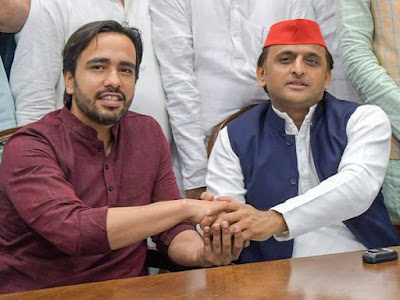
यूपी के पूर्व सीएम अखिलेश यादव और जयंत चौधरी वेस्ट यूपी से हाथ मिला चुके हैं, जिससे भाजपा का बैकफुट पर जाना लाज़मी है। समाजवादी पार्टी (सपा) में जो समस्या 2017 के शुरू में हुई थी वह अब उस स्थिति में नहीं है। वहीं अगर कांग्रेस से गठबंधन करने की बात आती भी है तो उसके रास्ते अभी बंद नहीं हुए हैं। इस सब के बीच सपा के कुछ के कद्दावर नेताओं पर इनकम टैक्स की रेड से साफ़ जाहिर है कि यह कहीं न कहीं राजनीति से प्रेरित है। कोरोना की दूसरी लहर में चारों खाने चित योगी-मोदी सरकार पर भी सपा काफी हमलावर थी जिससे लोगों को लगने लगा कि बीजेपी का विकल्प सपा ही है।


मायावती को विलय की ज़रूरत या मजबूरी?

UP chunav
Credits - Lokmat


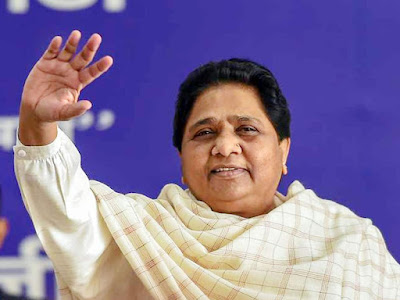
मायावती के लिए यह शायद सबसे बुरा दौर होगा। 2016-17 को इससे कहीं अधिक अच्छा दौर कहना ठीक होगा, जब पार्टी 19 सीटें तो ले आई थी। मायावती ने कुछ मौकों पर पीएम मोदी की कुछ बातों से सहमति भी जताई है जिससे ऐसे कयास लग रहे हैं कि उनका भाजपा के साथ जाना उनके और उनकी पार्टी के लिए बेहद ज़रूरी है। मायावती जब सीएम होती थीं उनपर भ्रष्टाचार के बहुत आरोप लगते थे, इसी के चलते वह अब कुछ बोलने से बचती हैं। उनका परंपरागत वोटर भी अब उनसे दूर रहना चाहता है। 2016 की नोटबंदी के बाद मायावती जिस तरह से मोदी सरकार पर बरसती थीं, शायद अब उनके लिए ऐसा करना बिलकुल भी ठीक न होगा। वहीं दलित वोटरों के सहारे उनकी जो इमेज थी वह अब चंद्रशेखर आजाद रावण ने ज्यादा अपनी और कर ली है जिससे उनका हाशिए पर चले जाना और भी बढ़ गया है। उनके लिए आज के और 2016-17 के हालात कमोबेश एक ही हैं। यूपी चुनाव के लिए मायावती को अपने रूठे हुए काडर बेस को फिर से खड़ा करने की जरूरत है।


क्या फिर आएगी भाजपा?

UP chunav
Credits - Jagran Josh


यूपी भाजपा कई मुद्दों पर अपने ही वोटर और बाकि लोगों के सवालों से घिरी है। चाहे वह कोरोना की दूसरी लहर में योगी सरकार का घुटने टेकना, किसान आंदोलन को ऐसे बताना जैसे वह हाईजैक हो गया हो, यह सब अब उनके विकास के अजेंडे की पोल खोलता है। जगहों के नाम बदल देने को विकास समझ लिया गया है। राम मंदिर बनने के फैसले को लेकर बीजेपी उत्साह में है कि उसे आने वाले चुनाव में फायदा ज़रूर होगा। पीएम मोदी भी अपने कैंपेनिंग अवतार में हैं जिसके लिए वह जाने जाते हैं। चुनाव के समय में पीएम मोदी को आगे कर देने का ट्रेंड भाजपा में आज भी बरकरार है और आगे भी रहेगा। सपा ने 2012-13 में जब छात्रों को लैपटॉप बांटे थे तब भाजपा ने उनपर निशाना साधा और अब भाजपा की ओर से छात्रों को 1 लाख स्मार्टफोन और टेबलेट्स बांटने की बात उठी है। यह चुनाव 2024 के लोकसभा चुनावों के लिए सेमीफइनल की तरह है क्योंकि यूपी में लोकसभा की 80 सीटें हैं जिससे पिक्चर कुछ ही महीनों में साफ़ हो जाएगी। कई ओपिनियन पोल में भाजपा की सरकार बनती दिख रही है, जो उनके लिए थोड़े सुकून की बात है। लेकिन यह नहीं भूलना चाहिए कि ओपिनियन पोल के लिए सैंपल साइज पूरी यूपी के मूड को नापने के लिए काफी नहीं है।


देवांग मैत्रे

Saturday, 21 August 2021

A Journey Through Floral Traditions of India

India, a land steeped in ancient traditions and cultural richness, has a deep-rooted connection with flowers. From religious ceremonies to everyday life, flowers play a significant role in the Indian way of life. This blog post will explore the various ways in which flowers are used in Indian culture, highlighting their symbolic meanings and cultural significance.


Religious Significance

Hinduism: Discuss the importance of flowers in Hindu rituals, such as puja and offerings to deities. Explore the symbolism of different flowers and their associations with specific gods and goddesses. 

Other Religions: Briefly touch on using flowers in other religions practiced in India, like Buddhism, Sikhism, and Islam.

Cultural Celebrations

Weddings: Describe the lavish use of flowers in Indian weddings, from decorations to bridal garlands. Highlight the symbolism of certain flowers in wedding ceremonies.

Festivals: Explore how flowers are incorporated into various Indian festivals, such as Holi, Diwali, and Durga Puja. Discuss the cultural significance of flower-based traditions during these festivities.

Everyday Life

Flower Markets: Describe the vibrant flower markets in Indian cities and towns. Discuss the variety of flowers available and their cultural significance.

Floral Offerings: Explain the practice of offering flowers to guests as a sign of respect and hospitality. Discuss the cultural symbolism behind this tradition.

Aromatic Traditions: Explore the use of flowers in traditional Indian perfumery and aromatherapy. Discuss the cultural significance of fragrant flowers and their medicinal properties.


Floral Symbolism

Language of Flowers: Discuss the cultural significance of certain flowers in India and their symbolic meanings. Explore how flowers are used to convey emotions and messages.

Flower Art: Highlight the tradition of floral art in India, such as rangoli and flower arrangements. Discuss the cultural significance of these art forms.

India's rich floral traditions are deeply intertwined with its cultural heritage. From religious ceremonies to everyday life, flowers play a vital role in the Indian way of life. This blog post has explored the various ways in which flowers are used in Indian culture, highlighting their symbolic meanings and cultural significance. By understanding these traditions, we can gain a deeper appreciation for the beauty and diversity of Indian culture. 

Thursday, 19 August 2021

The Significance of Colors in Indian Traditions: A Vibrant Tapestry of Culture and Meaning

India, a land of rich cultural heritage and diverse traditions, is often described as a country of vibrant colors. From the golden hues of turmeric to the deep indigo of traditional textiles, colors are deeply woven into the fabric of Indian life, each carrying its own significance and symbolism. Whether it’s in festivals, weddings, religious ceremonies, or daily attire, the use of color in Indian traditions reflects the values, beliefs, and emotions of its people.


🔴 Red: The Color of Passion and Purity


In Indian culture, red is one of the most powerful colors, symbolizing both purity and sensuality. It’s a prominent color in Hindu weddings, where brides often wear red sarees or lehengas. Red is associated with the Goddess Durga, representing strength and protection, and it is also used in various religious ceremonies and festivals like Holi, where people throw red powder to symbolize joy and the triumph of good over evil. Red also has a significant place in everyday life. A red bindi on the forehead signifies marital status for women, and the color is often used in rangoli designs during festivals to invoke blessings and positive energy.


🟡 Yellow: The Hue of Knowledge and Learning


Yellow, the color of turmeric, is deeply rooted in Indian rituals and is often associated with sanctity and spirituality. Turmeric, a key ingredient in Indian cuisine and medicine, is considered auspicious and is used in various ceremonies, especially during weddings. Brides and grooms are often smeared with turmeric paste in a ritual known as haldi to cleanse and purify them before the wedding. Yellow is also the color of spring, symbolizing new beginnings and the harvest season. During the festival of Vasant Panchami, dedicated to Saraswati, the goddess of knowledge, devotees dress in yellow and offer yellow flowers and sweets, seeking her blessings for wisdom and success.


🟢 Green: The Shade of Fertility and Prosperity


Green is the color of life, growth, and fertility. In India, green represents nature and the environment, symbolizing prosperity, peace, and happiness. It’s a common color in the attire worn during festivals like Eid, reflecting the Islamic influence in the country. Green bangles and sarees are also considered auspicious for married women, symbolizing fertility and a prosperous married life. In addition to its cultural and religious significance, green is also a prominent color in Indian agriculture, representing the lush fields and bountiful harvests that are the backbone of rural life.


⚪ White: The Color of Purity and Peace


White holds a unique place in Indian traditions, symbolizing purity, peace, and spirituality. It is the color worn during mourning and is also used in rituals that mark the transition from life to death. In Hinduism, white is associated with the divine and is worn by widows as a symbol of their renunciation of worldly pleasures. However, white is also a color of celebration in some contexts. It’s worn by spiritual leaders and during certain religious ceremonies as a sign of purity and devotion. During the festival of Makar Sankranti, people fly white kites, symbolizing the sun’s journey towards the northern hemisphere and the promise of longer days and warmer weather.


🔵 Blue: The Color of Divinity and the Infinite


Blue is a color that holds deep significance in Indian mythology and religion. It is the color of Lord Krishna, one of the most revered deities in Hinduism, who is often depicted with blue skin. Blue symbolizes the infinite, the vastness of the sky and the ocean, and the divine. In Indian art and culture, blue is used to represent the divine and the transcendental. It’s a color that evokes a sense of calm and peace, often associated with meditation and spiritual awakening.


🟠 Saffron: The Shade of Courage and Sacrifice


Saffron, a bright orange-yellow hue, is a color of immense significance in Indian traditions. It represents courage, sacrifice, and renunciation. Saffron is the color of the robes worn by monks and sadhus, symbolizing their renunciation of worldly desires and their commitment to a spiritual path. In the Indian flag, saffron stands for courage and selflessness, reflecting the spirit of the nation. It’s a color that inspires and uplifts, reminding people of the virtues of bravery and the pursuit of truth.

The Colorful Tapestry of Indian Culture

Colors in Indian traditions are not just about aesthetics; they are deeply symbolic, reflecting the values, emotions, and beliefs of the people. Each color tells a story, carrying with it centuries of cultural and religious significance. Whether in the bright reds of a wedding saree, the serene whites of a mourning ceremony, or the vibrant yellows of a spring festival, colors are an integral part of India’s cultural identity. They are a reminder of the rich tapestry of life in India, where every shade holds meaning and every hue celebrates the diversity and depth of the country’s traditions.

Friday, 6 August 2021

Hiroshima Day in Hindi: आज के ही दिन हिरोशिमा पर बरपा था परमाणु बम का कहर


Source - The Financial Express


दुनिया के बड़े देश अमन की अपील तो कई दशकों से कर रहे हैं। जब भी छोटे देश की किसी दूसरे देश से लड़ाई हुई है, उसमे बड़े देश शांति से मुद्दा हल करने की बात कहते हैं। लेकिन बड़े देश ही छोटे देश को परमाणु बम बेचते आए हैं। अक्सर यह सुना जाता रहा है कि दुनिया से एटम बमों की विदाई होगी, मगर आज तक ऐसा हुआ तो नहीं है। परमाणु शक्ति संपन्न देश कहते आए हैं कि अपने देश की सुरक्षा के लिए उन्होंने परमाणु बम बनाए हैं। कुछ देशों ने इसके पहले इस्तेमाल न करने की नीति अपनाई है। पूरे विश्व में 14 हज़ार से ज्यादा परमाणु बम होने का अनुमान है। Hiroshima Day in Hindi में अधिकारिक तौर पर देखें तो दुनिया के 9 देशों के पास परमाणु बम हैं।

किसके पास कितने एटम बम

Hiroshima Day in Hindi में सबसे ज्यादा एटम बम का जखीरा रूस के पास हैं, रूस के पास 6,300 से ज्यादा परमाणु बम हैं। उसके बाद दुनिया की महाशक्ति अमेरिका आता है जिसके पास 5,500 से ज्यादा बम हैं। फ्रांस के पास 300, यूनाइटेड किंगडम के पास 225, चीन के पास 350, भारत के पास 160, पाकिस्तान के पास 165, इजराइल के पास अघोषित परमाणु बम हैं जो 60-400 के बीच हो सकते हैं, और उत्तर कोरिया के पास 50 एटम बम होने का अनुमान है।


दूसरे विश्वयुद्ध में आज ही के दिन 71 वर्ष पहले अमेरिका ने जापान के शहर हिरोशिमा पर ‘लिटिल बॉय’ नामक शक्तिशाली परमाणु बम गिराया था, और उसके कुछ देर बाद का वो भयावह मंजर हुआ वह आज भी अच्छी तरह से दुनिया को याद है। दिसंबर 1941 में जापान के 353 लड़ाकू विमानों ने हवाई स्थित अमेरिकी नेवल बेस पर्ल हार्बर पर हमला कर दिया था, जिसमें 8 अमेरिकी नेवी बैटलशिप को तबाह कर दिया था, Hiroshima Day in Hindi में इसमें 2 हज़ार से ज्यादा अमेरिकी नागरिक मारे गए थे और 1 हज़ार से ज्यादा घायल हुए थे।


बदला चुकाना के लिए हमला

अमेरिका ने जापान से बदला लेने के नाम पर जुलाई 1945 में अपना पहला परमाणु परीक्षण कर हिरोशिमा पर हमले की योजना बनाई। फिर उसके बाद वह हुआ जो इंसानियत के लिए काला दिन बन जाने वाला था। अमेरिका ने उस जगह एटम बम गिराया जहां सामान्य नागरिक रहते थे। Hiroshima Day in Hindi में 6 अगस्त को अमेरिकी वायुसेना के B29 Bomber Enola Gay ने सुबह 8:15 बजे हिरोशिमा पर बम गिराया था, जिसके कुछ देर बाद ही वहां सब खत्म हो गया था. इस परमाणु बम से ऐसा ब्लास्ट हुआ जो TNT के 16 Kiloton के बराबर था। हिरोशिमा में 80 हजार लोग मारे गए थे और 70 हज़ार लोग बेहद गंभीर रूप से घायल हुए थे। उसके थोड़े दिनों बाद कई और लोग एटम बम की रेडिएशन के चलते मारे गए थे। आज तक हिरोशिमा में जन्मे लोग शारीरिक या मानसिक तौर पर कमज़ोर पैदा होते हैं।


अमेरिका और रूस ने कई बार एटम बमों को खत्म करने के लिए नई-नई संधि बनाईं और दोनों देशों ने शीत युद्ध के समय से अब तक काफी मात्रा में अपने-अपने परमाणु बम कम किए, लेकिन उसके बाद से यह अत्यंत ज़रूरी मामला ठंडे बसते में चला गया है। अमेरिका और रूस की तरफ से वर्ष 2010 में Strategic Arms Reduction Treaty शुरू की गई, रणनीति बना कर परमाणु बमों को खत्म करने के लिए यह संधि हुई।


पाकिस्तान में बढ़ती अशांति से पूरी दुनिया चिंतित है क्योंकि उसके यहां हर रोज़ कोई न कोई जगह से आतंकी हमले होते रहते हैं। अगर आतंकियों के हाथ पाकिस्तान के परमाणु बम लग गए तो दुनिया को भयावह नतीजे भुगतने पड़ेंगे। सूत्रों के मुताबिक पाकिस्तान हर साल 20 परमाणु बम चीन की मदद से तैयार कर रहा है। पहले अल काएदा और अब इस्लामिक स्टेट के आतंकी परमाणु बमों को बनाने की बात करते हैं। वहीं उत्तर कोरिया के तानाशाह किम जोंग उन कई बार अमेरिका और दक्षिण कोरिया के साथ मतभेद जता चुके हैं जिससे कई बार परमाणु युद्ध होने की स्थिति उत्पन्न हुई है। पाकिस्तान के वैज्ञानिक अब्दुल कदीर खान ने उत्तर कोरिया को परमाणु देश बनने में मदद की थी। Hiroshima Day in Hindi में इतना ही नहीं ए क्यू खान ने लीबिया, ईरान और इराक को भी परमाणु बमों के ब्लूप्रिंट बेचे थे।


Hiroshima Day in Hindi में दुनिया के हर देश से आवाज़ आती है कि एटम बम दुनिया से हटने चाहिए, लड़ाई से हल नहीं निकलता है, बदले से सिर्फ बदला उत्पन्न होता है। जिस तरह से परमाणु बमों के खात्मे या उन्हें हटाने के लिए इतनी संधि बनी वो काफी नहीं हैं। इस दिशा में परमाणु संपन्न देश इतने सजग नहीं दिखे कि दुनिया को वाकई परमाणु हथियार मुक्त होना चाहिए। पेंटागन की नई जनगणना के मुताबिक 2008 में अमेरिका के पास 5,273 एटम बम थे जबकि 2015 में यह 4,571 रह गए हैं। 13 वर्षों में 1,100 बमों को नष्ट कर दिया गया है। जिस तरह से पाकिस्तान और उत्तर कोरिया अपने परमाणु कार्यक्रम को बढ़ा रहा है उससे दुनिया का चिंतित होना लाज़मी है। ऐसे में ये देश अपने परमाणु बमों को नष्ट करने की स्थिति में हाल-फिलहाल तो नहीं दिखते हैं।


अब समय आ गया है कि दुनिया से ऐसे भयानक हथियार ख़त्म कर दिए जाएं। दुनिया में ऐसा माहौल बनाया जाए जहां अमन को ज्यादा महत्व दिया जाए। Hiroshima Day in Hindi में आतंकी समर्थक देश इस बात को समझें की गुड टेररिज्म और बैड टेररिज्म जैसा कुछ नहीं होता है, आतंकवाद सिर्फ आतंकवाद फैलता है। परमाणु बमों में इजाफा करने से कुछ नहीं होगा।


देवांग मैत्रे

Monday, 2 August 2021

Lost in Translation: India's Language Maze

India, a land of diverse cultures and traditions, is also a linguistic melting pot. With over 22 official languages and countless dialects, it's a treasure trove for language enthusiasts. Let's look into the fascinating world of Indian languages.

indian languages

The Official Languages

  • Hindi: Hindi is the most widely spoken language in India, and it serves as the official language of the Union government.
  • English: A legacy of British colonial rule, English is widely used in education, business, and government.
  • Bengali: Primarily spoken in West Bengal and Bangladesh, Bengali is the fifth most widely spoken language globally.
  • Telugu: Predominant in Andhra Pradesh and Telangana, Telugu is known for its rich literature and classical music.
  • Marathi: The official language of Maharashtra, Marathi is spoken by a significant portion of the population in central India.
  • Tamil: One of the oldest classical languages, Tamil is spoken primarily in Tamil Nadu and Sri Lanka.
  • Urdu: A South Asian language closely related to Hindi, Urdu is widely spoken in northern India and Pakistan.
  • Kannada: The official language of Karnataka, Kannada is known for its beautiful literature and classical music.
  • Malayalam: Spoken primarily in Kerala, Malayalam is renowned for its unique script and literary tradition.
  • Odia: The official language of Odisha, Odia has a rich literary heritage and is closely related to Bengali.
  • Gujarati: Spoken primarily in Gujarat, Gujarati is known for its distinctive script and literary tradition.
  • Punjabi: The official language of Punjab, Punjabi is widely spoken in both India and Pakistan.
  • Assamese: Spoken primarily in Assam, Assamese is closely related to Bengali and has a rich literary tradition.
  • Kashmiri: The official language of Jammu and Kashmir, Kashmiri is spoken primarily in the Kashmir Valley.
  • Sanskrit: An ancient classical language, Sanskrit is considered the "mother of all Indo-European languages."
  • Sindhi: Spoken primarily in the Sindh province of Pakistan, Sindhi is also spoken by a significant population in India.
  • Bodo: The official language of Bodoland Territorial Area Districts in Assam, Bodo is spoken by a significant population in northeast India.
  • Santhali: Spoken primarily in Jharkhand, West Bengal, and Odisha, Santhali is the third most widely spoken tribal language in India.
  • Maithili: Spoken primarily in Bihar, Nepal, and West Bengal, Maithili is known for its rich literary tradition.
  • Dogri: The official language of Jammu and Kashmir, Dogri is spoken primarily in the Jammu region.

Beyond the Official Languages

India's linguistic diversity extends far beyond its official languages. There are countless regional dialects and tribal languages spoken by millions of people across the country. Some of these languages include:

  • Konkani: Spoken primarily in Goa, Karnataka, and Maharashtra.
  • Nepali: Spoken primarily in Sikkim and the Himalayan regions of northern India.
  • Manipuri: Spoken primarily in Manipur, a state in northeast India.
  • Bhojpuri: Spoken primarily in Bihar, Uttar Pradesh, and Jharkhand.
  • Awadhi: Spoken primarily in Uttar Pradesh.
  • Magadhi: Spoken primarily in Bihar and Jharkhand.
  • Angika: Spoken primarily in Bihar.
  • Maithili: Spoken primarily in Bihar, Nepal, and West Bengal.
  • Bodo: Spoken primarily in Assam.
  • Santhali: Spoken primarily in Jharkhand, West Bengal, and Odisha.
  • Maithili: Spoken primarily in Bihar, Nepal, and West Bengal.

India's linguistic diversity is a testament to its rich cultural heritage. It's a fascinating world waiting to be explored, offering a glimpse into the vibrant tapestry of Indian life.

Atishi Takes Charge as Delhi’s Chief Minister: A Symbolic Leadership Transition

In a significant development for Delhi politics, Aam Aadmi Party (AAP) leader Atishi assumed the role of Chief Minister on September 22, 202...